
Process of Purāṇa Initiation
The method of listening to the Śiva purāṇa has been taught in chapter-6 titled “Śravaṇa vidhi varṇanaṁ” of the Mahātmya and the method of worship and adoration has been taught in the next chapter-7 titled “Śravaṇa vratināṁ vidhi niṣedha pustaka vaktṛ pūjana varṇanāṁ”.
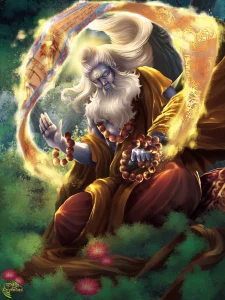
It is important that we first pay our respects and prayers before we start on this auspicious spiritually enlivening journey of hearing and learning the Śiva Mahāpurāṇa. However, we need to learn how to make this prayer. Till the first initiation pujā to be conducted in the Himalayas during the Mahā Śivarātri, we will study the Mahātmya and prepare for the purāṇa study.
Śrī Vyāsa Pujā
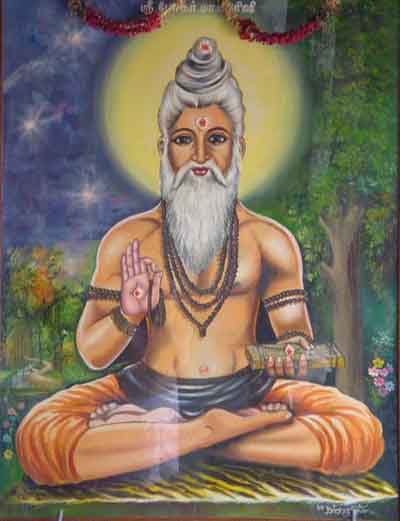
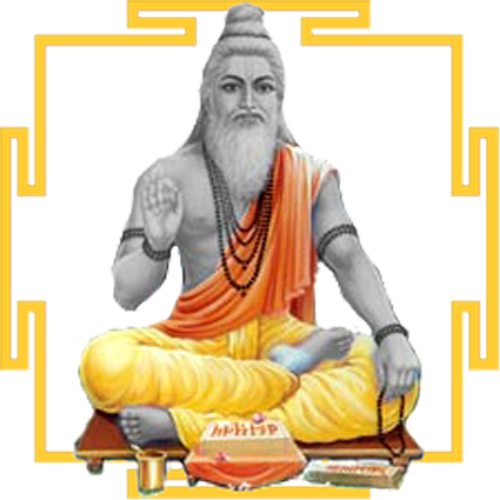
Śrī Vyāsa pujā is the first pujā performed before any other prayer or ritual. Vyāsa can only be worshipped in the guru(s) as mūrti (idol) worship of Vyāsa is unheard of. The essence of the paraṁparā is to worship the knowledge that lives through the teachers, the gurus.
Vyāsa pujā is done exactly as the worship of Lord Śiva the parameṣṭhi guru, with the offering of flower, cloth, ornament, incense, lamp and other upacāra. [Mahātmya śloka 6.61].
Vyāsa pujā ensures that the link to the parameṣṭhi guru is restored. And in this case pujā is done to the other three gurus namely, Parama Guru Śrī Vedavyāsa, Parātpara Guru (head of the lineage of the guru) and the Guru (orator or teacher of the purāṇa). On the first day this pujā is done through the Guru and subsequently through the Vyāsa Yantra or other means. During this course the head of the lineage, the parātpara guru, is Śrī Ramakrishna as we have taken dīkṣa at Śrī Śāradā Maṭha. Therefore it is necessary for all participants to respect this and do the following three mantras every day before doing their daily pujā. The order starts with the guru and ends with the parama guru.
| Mantra | Comments |
| Guru tattva mantra ॐ गुरवे नमः॥ om gurave namaḥ |
You can do any other guru mantra as per your tradition instead of this |
| Ramakrishna Mantra हरे रामकृष्णा॥ hare rāmakṛṣṇā |
This is compulsory unless you have been initiated into another similar mantra with the two names ‘Rama’ and ‘Kṛṣṇa’ in them. |
| Vedavyāsa Mantra व्यां वेदव्यासाय नमः॥ vyāṁ vedavyāsāya namaḥ |
No alteration or alternative allowed |
Vyāsa Pujā
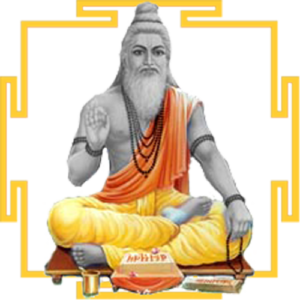 However, the Vyāsa pujā mentioned as a requirement for starting the Śiva purāṇa, is to be done before the Śivarātri pujā when Śiva and Śiva Purāṇa shall be worshipped. All students who have not received any kind of dīkṣa from a bona fide paraṁparā, are required to be available on the morning of the day preceding the Śivarātri pujā for the Vyāsa pujā as well as the pañcākṣarī initiation mentioned hereinafter. You will need the following for the Vyāsa pujā:
- Cloth offering for guru and Śiva purāṇa – silk is the cloth and bring one to cover your copy of the Śiva purāṇa.
- Ornament – rudrākṣa alone is the real ornament of the gurus
- Pañca upacāra offerings
Remember to order and collect your copy of the Śiva purāṇa from the Course Coordinator. The pañca upacāra offerings can be arranged by your Course Coordinator as part of the dīkṣa pujā. Students who are required and interested to participate must give their names and payment to the Course Coordinator.
Offering to the orator (teacher) should be made saying the following prayer [Mahātmya śloka 6.63]
एतत्कथाप्रकाशेन मदज्ञानं विनाशय॥
vyāsarūpa prabodhāgradya śivaśāstraviśārada
etatkathāprakāśena madajñānaṁ vināśaya
Translation: You are the veritable form of Vyāsa, O! awakener of perfect understanding and knowledge. Being proficient in the Śiva śāstra, [kindly] enlighten me with this [Śiva] purāṇa thereby destroying the darkness of ignorance [in me].
Pañcākṣarī Dīkṣa
It is imperative to receive the pañcākṣarī dīkṣa if the student has not had any kind of dīkṣa. The Śiva pañcākṣarī mantra is “namaḥ śivāya” and there are some variations and other details of recitation which are taught at the time of dīkṣa. If the student has already received guru dīkṣa then this is the best means of connecting with the parama guru and should be maintained. Gāyatrī dīkṣa is not sufficient compensation for this purpose. Whereas mantra dīkṣa like ‘Kṛṣṇa mahā mantra’ or other specific mantra of a bona fide lineage like Ramakrishna Mission, Gaudiya Math etc., shall be considered as sufficient for this purpose.
Prayers to Start
The order of the principal worship before the commencement of the study of the Śiva Mahāpurāṇa (or any other purāṇa) has been stated by Śrī Suta:
श्रीमच्छिवपुराणाख्यः प्रत्यक्षस्त्वं महेश्वरः।
श्रवणार्थं स्वीकृतोऽसि सन्तुष्टो भव वै मयि॥
śrīmacchivapurāṇākhyaḥ pratyakṣastvaṁ maheśvaraḥ|
śravaṇārthaṁ svīkṛto’si santuṣṭo bhava vai mayi||
Translation: Thou art the holy Śiva purāṇa, the veritable personification of Maheśvara [Śiva] Himself. May thou be satisfied [pleased] with me and permit the hearing [of thy words]. [Mahātmya śloka 6.57]
निर्विघ्नेन सुसम्पूर्णं कथाश्रवणमस्तु मे॥
manoratho madīyo’yaṁ kartavyaḥ safalastvayā|
nirvighnena susampūrṇaṁ kathāśravaṇamastu me||
Translation: May thou fulfil this desire of mine, of listening [learning] to the complete Śiva purāṇa without any obstruction or fault. [Mahātmya śloka 6.58]
कर्मग्राहगृहीतङ्गो दासोऽहं तव शंकर॥
bhavābdhimagnaṁ dīnaṁ māṁ samuddhara bhavārṇavāt|
karmagrāhagṛhītaṅgo dāso’haṁ tava śaṁkara||
Translation: I am enslaved by the crocodile of karmic bondages. O Saṅkarā! Save this servant of yours from drowning in the ocean of saṁsāra. [Mahātmya śloka 6.59]


 DBC offers online courses in jyotish (Vedic Astrology) taught directly by Sanjay Rath as per the tradition, through narrated power points and other audio tools. The courses are at different levels, from the beginners through the intermediate to the advanced and are known as SoHamsa | DBC courses, with individual classrooms and assistant teachers
 Sagittarius Publications is the publisher and distributor the popular quaterly magazine the Jyotish Digest, as well as many thorough books on the subject of Vedic Astrology or Jyotish.