
Vyākaraṇa – Meaningful Words
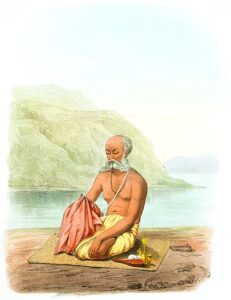 It is linguistic analysis or grammar which helps us to make sentences and express information, knowledge, emotion and everything. Vyākaraṇa is the face of the Veda and shows what we like or dislike, what we look forward to or turn the face away from, whether something seems pleasant or otherwise. It is the water element called jala tattva symbolised by the planet Venus which shows the nature of the face, its appearance and attraction. All grammar today comes from Pāṇini school.
Paṇini’s extensive analysis of the processes of phonology, morphology and syntax, the Aṣṭadhyāyī, laid down the basis for centuries of commentaries and expositions by following Sanskrit grammarians. Pāṇini’s approach was amazingly formal; his production rules for deriving complex structures and sentences represent modern finite state machines. Indeed many of the developments in Indian Mathematics, especially the place value notational system may have originated from Pāṇinian analysis .
Panini’s grammar consists of four parts:
• Śiva sūtra: phonology (notations for phonemes specified in 14 lines)
• Aṣṭadhyāyī: morphology (construction rules for complexes)
• Dhātu pāṭha: list of roots (classes of verbal roots)
• Gaṇa pāṭha: lists classes of primitive nominal stems
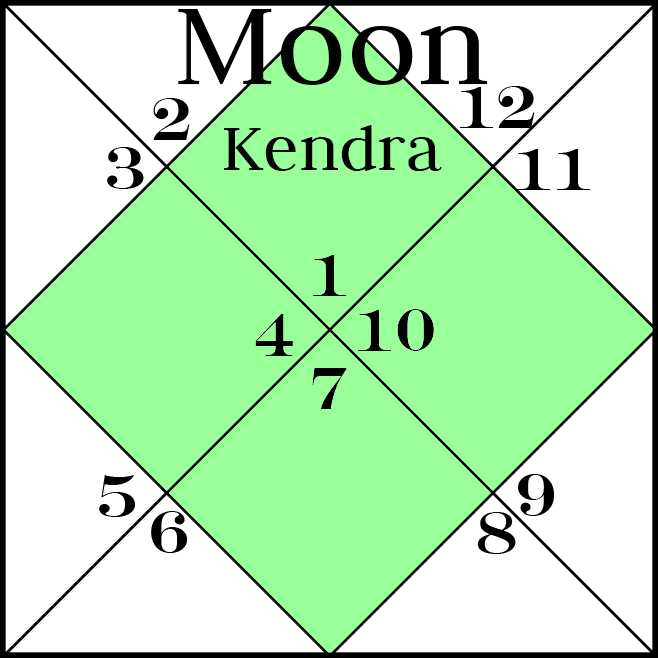
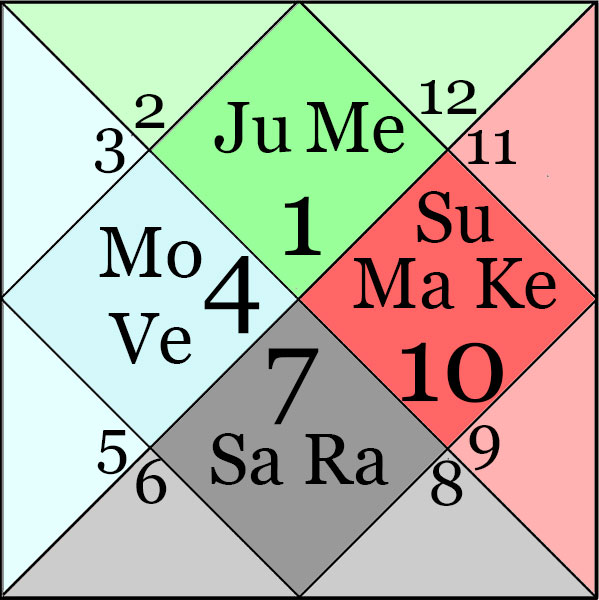


 DBC offers online courses in jyotish (Vedic Astrology) taught directly by Sanjay Rath as per the tradition, through narrated power points and other audio tools. The courses are at different levels, from the beginners through the intermediate to the advanced and are known as SoHamsa | DBC courses, with individual classrooms and assistant teachers
 Sagittarius Publications is the publisher and distributor the popular quaterly magazine the Jyotish Digest, as well as many thorough books on the subject of Vedic Astrology or Jyotish.