
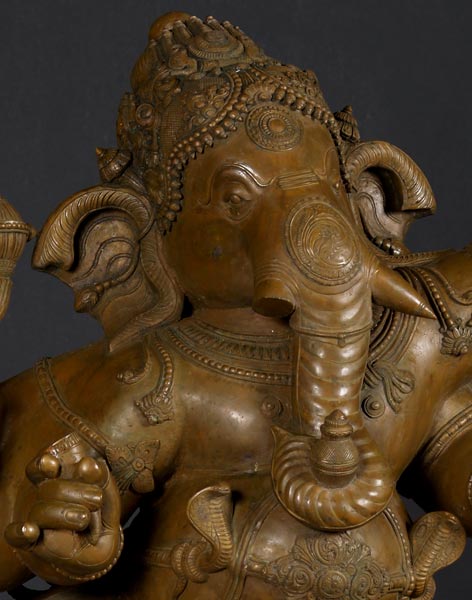
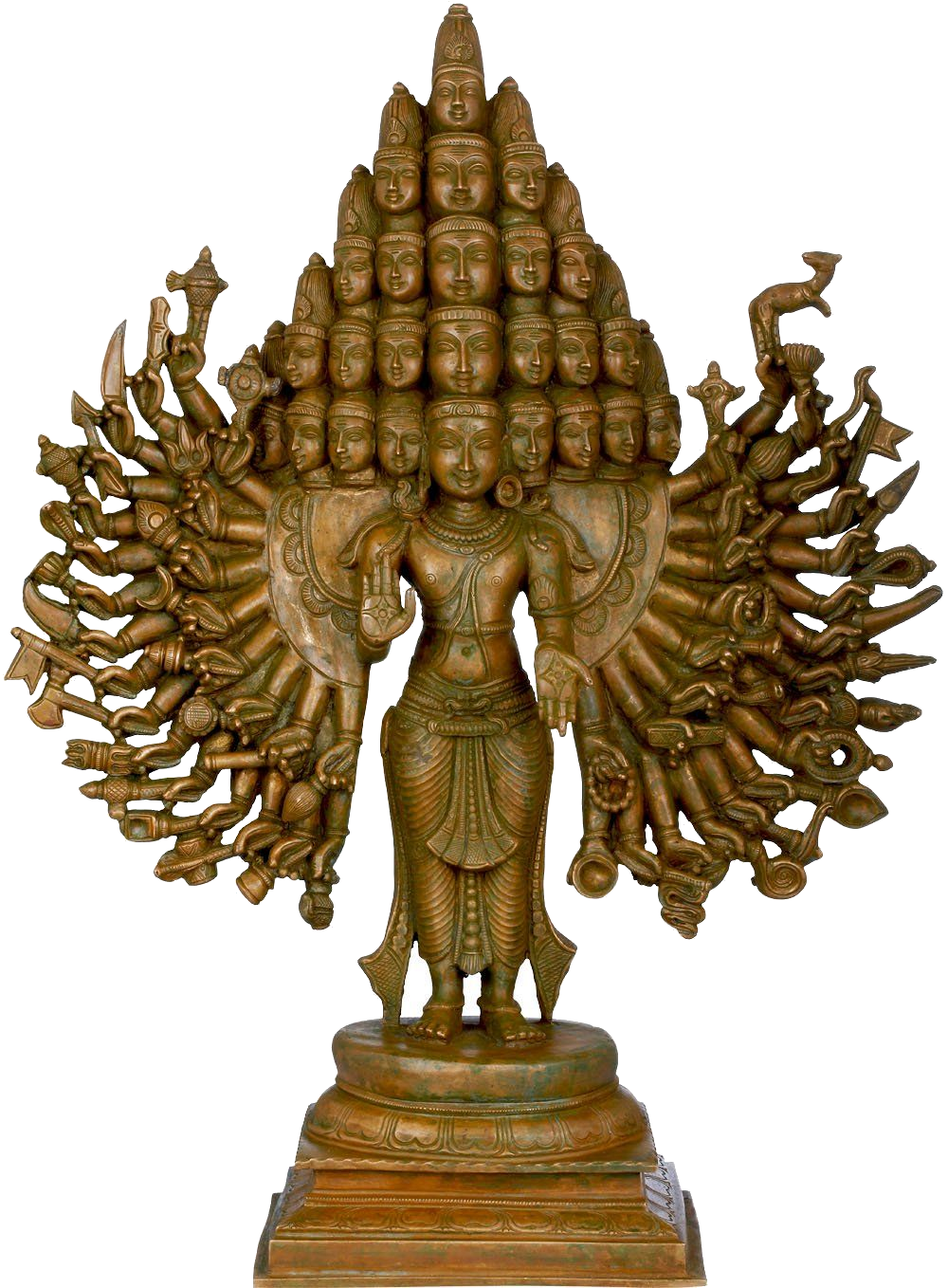
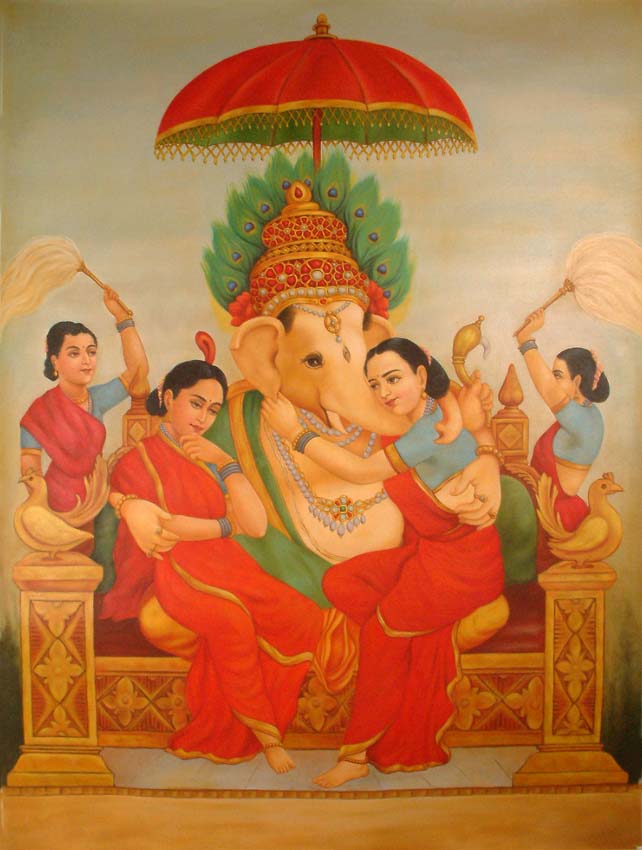
All the devatā are worshipped in the form of images (icons) whereas Śiva is worshipped both in an image as well as the liṅga, the cosmic symbol (also considered the phallic symbol in the tantras). The importance of the liṅga is seen from a whole purāṇa dedicated to it – the Liṅga Purāṇa.
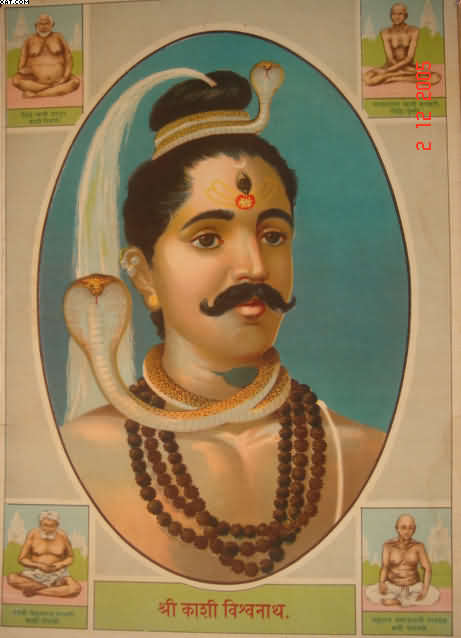 Śrī Sūta continued the explanation stating that the formless liṅga is symbolic of the universe and beyond depicting the nirguṇa niṣkala Śiva whereas the image is saguṇa sakala. It is guṇa or nature[1] that gives form and saguṇa means having guṇa which implies form and consequently name. Since in reality, Śiva is beyond the guṇa, He is depicted as the liṅga to enable His worship as the nirguṇa niṣkala Śiva. As Śiva is both saguṇa and nirguṇa, He is called sabda-brahma and is the finest of all the devatā, the ultimate source of everything and everyone. Śrī Sūta continues the explanation that since none of the other devatā are completely niṣkala, they cannot confirm to the definition of sabda-brahma, the primeval sound of perfect silence which existed before the manifested universe or any other form that came into being before creation of the universe. Consequently, none is comparable to Śiva. All devatā have at least a miniscule amount of jīva, which causes them to have form, which in turn, is worshipped as an image. Śiva in the nirguṇa aspect is completely free from jīva. Śrī Ramakrishna Paramhaṅsa teaches that which is not Jīva is Śiva.
Being the essence of perfect silence (and stillness) and absolute and being invisible, nirguṇa Śiva is but an endless column of invisible light or pure transcendental knowledge, the beginning and end of which neither Brahma nor Viṣṇu could fathom. His worship is possible only in the liṅga which is His grace to humanity and the devatā as well. The Upaniṣads are witness to the fact that He is the essence of vedānta and brings to light the complete potency and meaning of oṁkāra (ॐ).
Śrī Sanatkumāra added that unlike other deities who are obliging their devotees being under their power, Śiva cannot be overpowered by devotees and gives when He pleases. The images of the devatā are the means to worship them (for benedictions of all kinds), which also applies to Śiva, whereas the liṅga is superior and representing the absolute.
[1] as part of manifested universe in the three modes of sattva, rajas and tamas


 DBC offers online courses in jyotish (Vedic Astrology) taught directly by Sanjay Rath as per the tradition, through narrated power points and other audio tools. The courses are at different levels, from the beginners through the intermediate to the advanced and are known as SoHamsa | DBC courses, with individual classrooms and assistant teachers
 Sagittarius Publications is the publisher and distributor the popular quaterly magazine the Jyotish Digest, as well as many thorough books on the subject of Vedic Astrology or Jyotish.